Few true crime cases in Canadian history have captured public attention quite like the story of Evelyn Dick. Decades after the shocking events that unfolded in Hamilton, Ontario, the case continues to intrigue historians, crime enthusiasts and readers fascinated by the darker corners of human nature.
In Evelyn, poet and author Robert Antrim Calwell revisits this infamous story through a completely original lens. Rather than simply retelling historical events, Calwell transforms the tragedy into a haunting poetic narrative that explores memory, innocence, guilt, loss and redemption.
But who was Evelyn Dick and why does her story still resonate today?
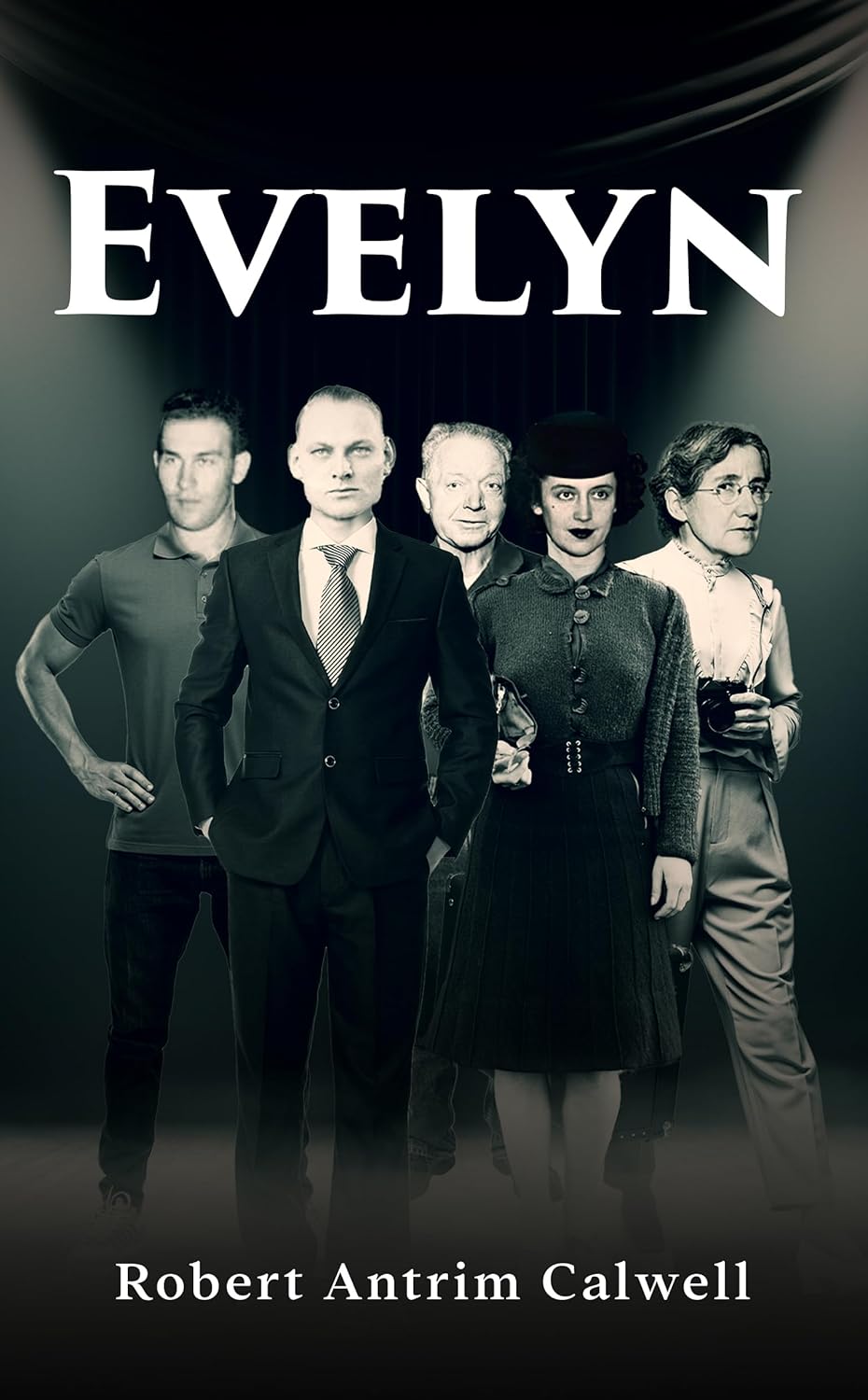
The real Evelyn Dick became one of Canada’s most notorious figures following the 1946 murder of her husband, John Dick. The case shocked the nation and generated headlines across the country. Yet beyond the sensational details lies a complex human story filled with family conflict, betrayal, unanswered questions and lives forever changed.
This complexity is what makes Evelyn so compelling.
The book opens with a haunting reflection from the Children’s perspective:
“We held our hands till end of time,
In buried past and severed rhyme.”
Immediately, readers are transported into a world where history and memory intertwine. The voices throughout the book do more than recount events; they wrestle with the emotional consequences of tragedy.
One of the most fascinating aspects of Evelyn is its portrayal of the woman at the center of the story. Rather than presenting a one-dimensional figure, Calwell explores the motivations and circumstances surrounding her life:
“But is it I, who bat my lash,
For gentlemen and all their cash.”
Through verses such as these, readers are invited to consider the ambitions, expectations and choices that shaped Evelyn Dick’s story.
The novel also gives voice to John Dick, whose perspective adds emotional weight and humanity:
“Was this to be my last of time,
In buried ash and bloody rhyme.”
These lines remind us that behind every true crime case are real people whose lives were forever altered.
What truly distinguishes Robert Antrim Calwell’s writing is his ability to balance darkness with moments of beauty and reflection. Across his poetry, themes of childhood innocence, spirituality and remembrance continually emerge.
In the companion poem Every Heart To Pass, Calwell writes:
“Souls will drift as teardrops fall,
Upon thy cheek to hear the call.
To hold the hands of those at last,
Belief in every heart to pass.”
These verses echo the emotional undercurrents found throughout Evelyn. Even amid tragedy, there remains a search for understanding and connection.
Similarly, the imagery of Weaver’s Mountain explores the fragile line between innocence and darkness:
“The little Children of gentle Tender,
Dreamt starry nights in blessed splendour.”
Yet that innocence is constantly threatened by darker forces, much like the characters in Evelyn struggle against their own circumstances and choices.
By combining historical true crime with lyrical storytelling, Calwell creates something far more immersive than a traditional crime account. Readers are not simply observing events from a distance; they are invited to inhabit the thoughts, fears and memories of those connected to the story.
For readers who enjoy true crime, literary fiction, poetry and Canadian history, Evelyn offers a uniquely powerful experience. It is a book that moves beyond headlines and courtroom records to explore the human emotions buried beneath them.
Through unforgettable voices, haunting imagery and deeply reflective poetry, Robert Antrim Calwell’s Evelyn transforms one of Canada’s most infamous true crime stories into a moving literary journey, one that lingers long after the final page is turned.