In Robert Antrim Calwel’s Evelyn, the past isn’t merely remembered—it breathes, it watches, and most hauntingly, it speaks. This remarkable work, based on the true story of Evelyn Dick and the 1946 murder in Hamilton, Ontario, is framed not by courtroom transcripts or journalistic interjections—but by a group of ghostly children who act as a modern-day Greek chorus.
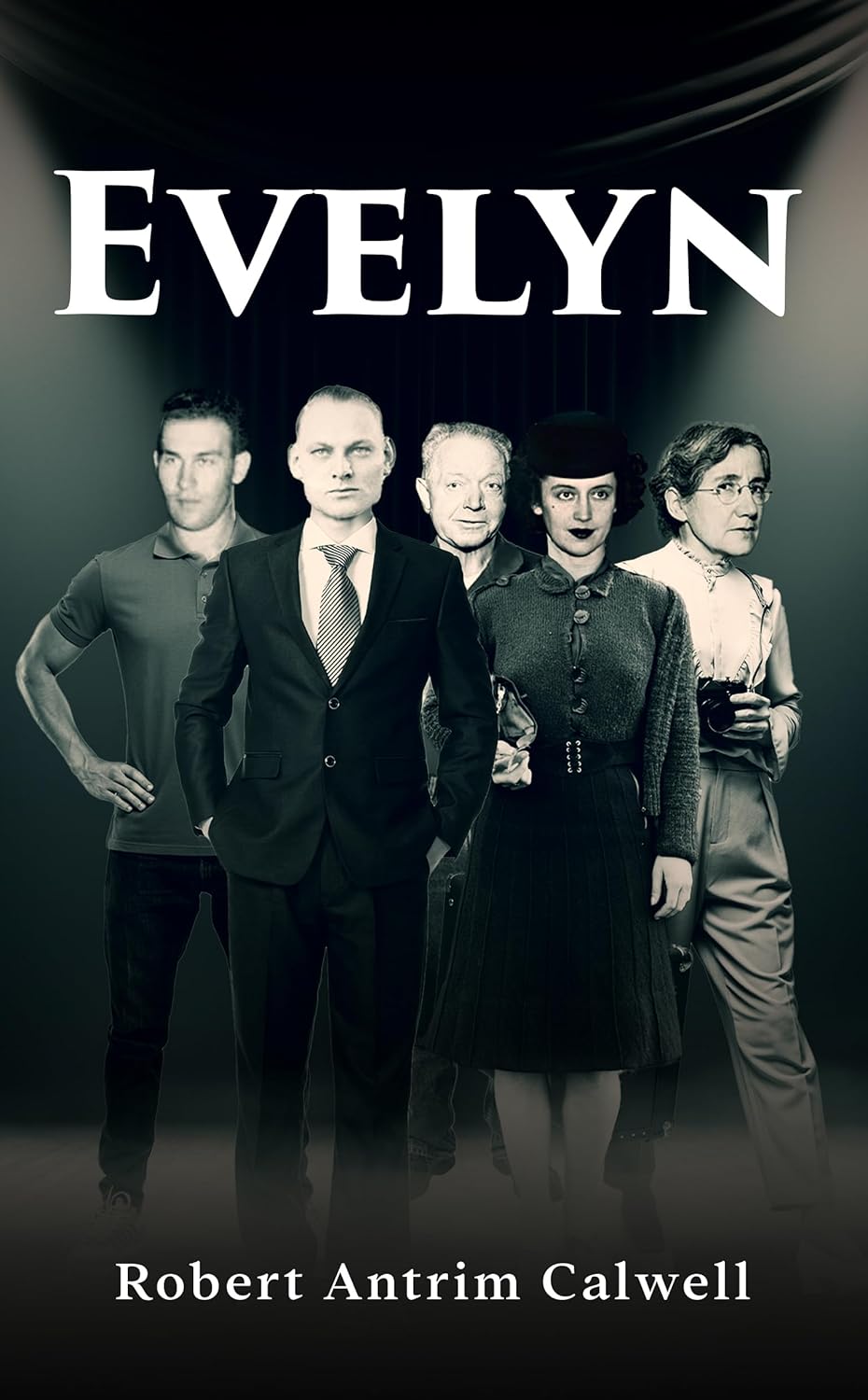
From the book’s opening pages, “The Children’s Introduction” sets the tone: lyrical, ominous, and deeply human. These are not literal children in the story, but poetic embodiments of collective memory and innocent curiosity turned witness to horror. Like the chorus in ancient Greek tragedy, they do not act—they observe, reflect, and mourn. Their voices carry the weight of a community processing trauma it cannot fully understand.
Their narration is striking for its tenderness and ambiguity. After discovering John Dick’s dismembered torso near Albion Falls, the children carry on with their hike and eat hotdogs. The juxtaposition is chilling, almost surreal. But it’s exactly this blend of innocence and brutality that captures the true psychological impact of living near violence. The children’s presence serves not only as a literary device but as a lens through which the reader filters the entire narrative—one that’s curious, haunted, and unready to let go.
The chorus doesn’t fade as the book progresses. Instead, it reappears at the end in “The Children’s Conclusion,” offering a poetic summation of loss, longing, and the elusive search for justice. They reminisce about growing up in the shadow of the crime—sharing ice cream, delivering newspapers, playing video games—all while haunted by the knowledge of what once was. The city of Hamilton becomes both home and ghost town, filled with echoes of screams and the silence that followed.
This framing technique elevates Evelyn from true crime reportage into spiritual testimony. Like the Furies of Greek myth, these children are not there to condemn, but to remember—and to demand that we remember too. They speak of Peter White, Evelyn’s murdered son, not with sensationalism, but with the aching love of those who wish he could have joined their games, their paper routes, their childhood mischief.
In a world saturated with true crime content, Evelyn offers a rare thing: reverence. The children’s chorus reminds us that behind every tabloid headline is a community altered, a wound unhealed. Their voice is a collective whisper that urges reflection rather than voyeurism.
Robert Antrim Calwel has created more than a retelling—he’s written a requiem. Evelyn is not just about what happened, but how a city remembers. And in the chorus of children who hold hands across time, he’s given voice to the grief we all carry, and the innocence we all mourn.