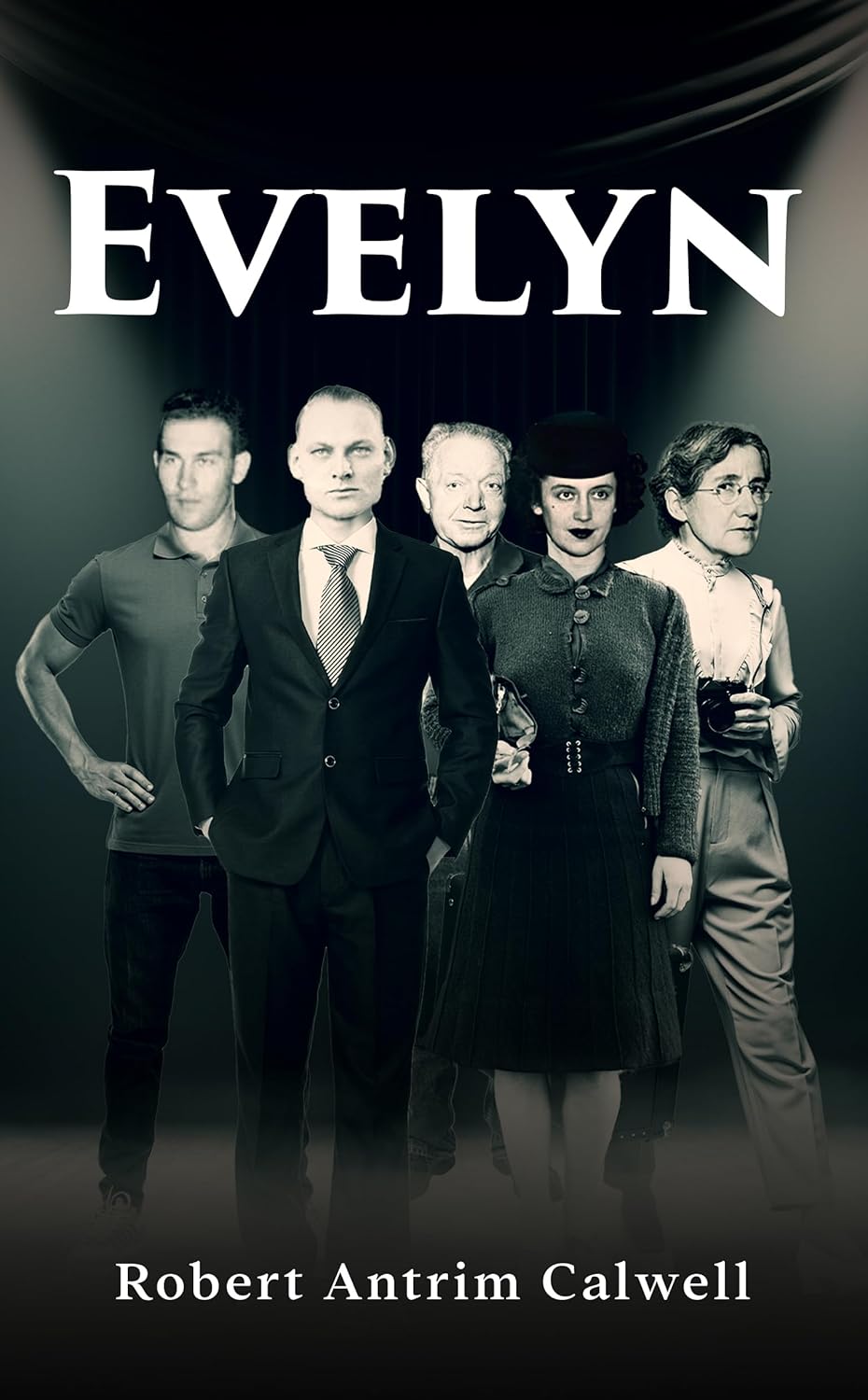
The trial of Evelyn Dick in 1946 was more than just a sensational murder case; it was a mirror reflecting the societal norms and prejudices of the era. Evelyn’s story, meticulously reconstructed in Robert Antrim Calwell’s book, Evelyn, exposes how gender and class played pivotal roles in shaping public perception and the judicial process during one of Canada’s most infamous cases.
At the heart of the trial was Evelyn’s alleged involvement in the gruesome murder of her husband, John Dick. The evidence was damning: a torso discovered near Albion Falls, bone fragments in Evelyn’s basement furnace, and her own contradictory statements. Yet, what captured the public’s imagination was not just the crime but Evelyn herself—her beauty, poise, and lifestyle. She was a woman who defied the traditional roles of wife and mother, and that defiance became her greatest liability.
In the 1940s, societal expectations for women were clear: they were to be dutiful, nurturing, and morally upright. Evelyn’s glamorous appearance and rumored affairs with wealthy men challenged these ideals, making her an easy target for public condemnation. She was painted as a femme fatale, a manipulative seductress who used her charm to exploit men. The media, dominated by male voices, amplified this narrative, turning her into a caricature of the “dangerous woman” archetype.
Class also played a significant role in Evelyn’s trial. Born to working-class Scottish immigrants, Evelyn’s aspirations for a life of luxury were evident in her relationships and lifestyle choices. This ambition, coupled with her father’s criminal activities, further alienated her from societal sympathies. Her attempts to rise above her class were met with disdain, as if her crime was not just murder but the audacity to transgress class boundaries.
The courtroom became a stage where these biases were on full display. The prosecution’s case leaned heavily on Evelyn’s character, painting her as a morally corrupt woman whose actions were inevitable given her lifestyle. Her defense, while attempting to highlight procedural flaws and the involvement of other suspects, struggled to counter the weight of societal prejudice. Evelyn’s composure and beauty, which might have worked in her favor, were instead weaponized against her, casting her as cold and calculating.
The aftermath of the trial further underscores the influence of gender and class. Evelyn’s death sentence, later commuted to life imprisonment, was a reflection of the era’s paternalistic attitudes. While she avoided the noose, her life—like her trial—remained a cautionary tale about the dangers of defying societal norms.
In Evelyn, Robert Antrim Calwell delves into these complexities, blending fact with poetic insight to reveal the underlying currents of sexism and classism that shaped Evelyn Dick’s fate. Her story is not just a crime drama but a lens through which we can examine the rigid structures of mid-20th-century Canada.
Evelyn’s trial forces us to confront uncomfortable truths about how society judges women and the lasting impact of these judgments. It is a reminder that justice is never served in a vacuum; it is shaped by the cultural and social forces of its time. Evelyn Dick’s case, tragic and compelling, remains a testament to the intersection of gender, class, and justice in shaping history.