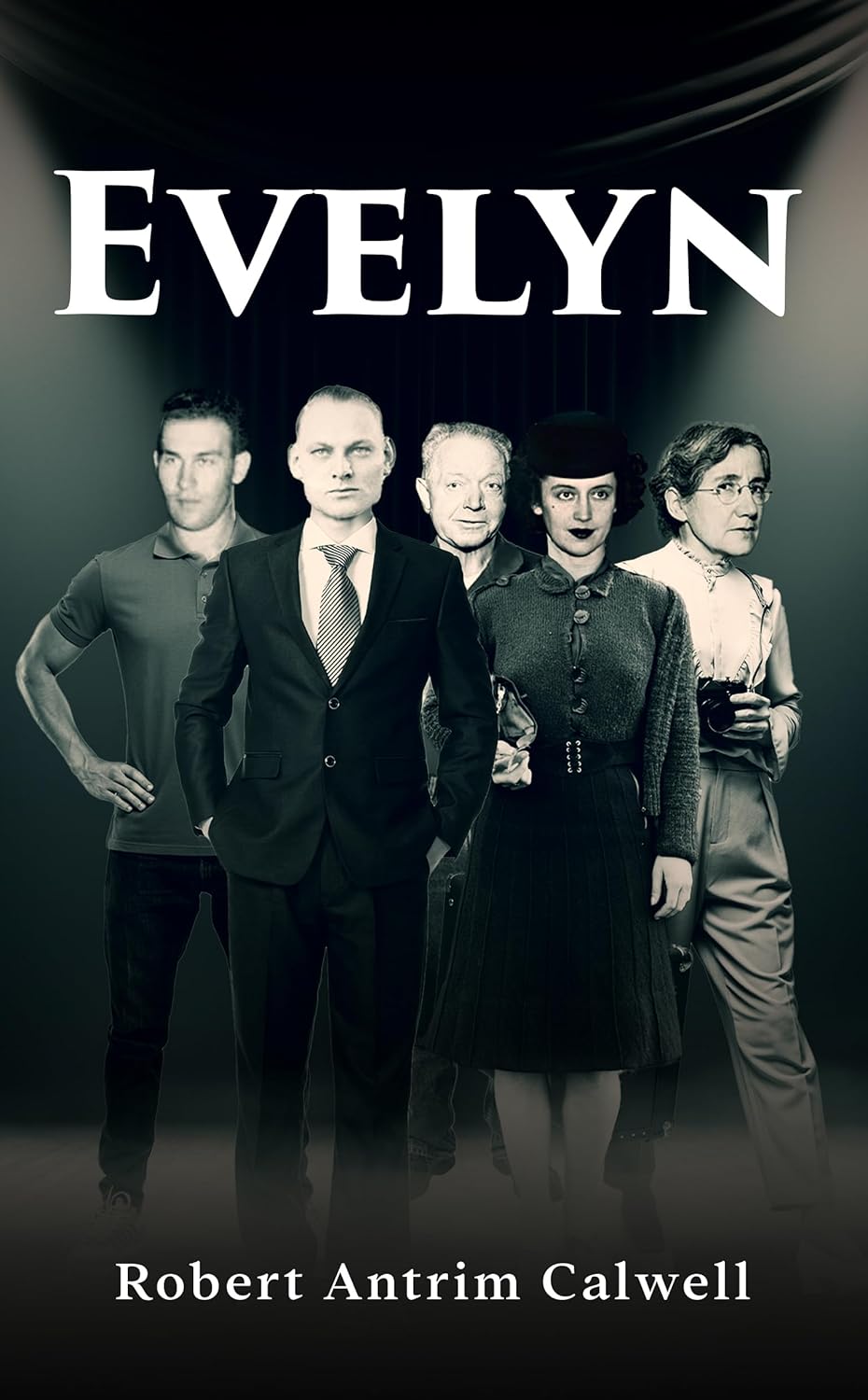
In the annals of Canadian true crime, few names evoke as much intrigue and horror as Evelyn Dick. Her story, steeped in scandal, murder, and courtroom drama, captivated a nation and left an indelible mark on Hamilton, Ontario. Decades later, her case continues to resonate, as explored in Robert Antrim Calwell’s evocative narrative, Evelyn. Through his poetic lens, Calwell reconstructs the chilling events that turned a small city’s gossip into a tale of nationwide infamy.
The story begins in 1946, when hikers near Albion Falls stumbled upon a grisly discovery: a torso devoid of arms, legs, and a head. The victim was soon identified as John Dick, Evelyn’s estranged husband. Suspicion quickly fell on Evelyn, whose life seemed lifted straight from a noir film. With her glamorous looks and enigmatic presence, she had already earned whispers for her relationships with wealthy men and her luxurious lifestyle.
During the investigation, Evelyn’s composed demeanor only deepened the mystery. Her initial claims ranged from blaming gangsters to feigning ignorance, but the evidence told a different story. Bone fragments and ashes were found in her basement furnace, along with bloodstains in her car. As details emerged, the public’s fascination with Evelyn transformed into a macabre obsession.
The courtroom became a theater where Evelyn played the lead. Prosecutors painted her as a cold, manipulative woman capable of orchestrating her husband’s gruesome murder. The defense countered by portraying her as a victim of coercion by her accomplices, including her lover, William Bohozuk, and her father, Donald MacLean. Amid the sensational testimony, Evelyn’s alleged confession stood out: she chillingly admitted to killing her infant son, Peter, whose body was later found encased in cement.
Convicted and sentenced to hang, Evelyn’s fate seemed sealed. But her story took another turn when her conviction was overturned on appeal, citing procedural errors. Her sentence was reduced to life imprisonment, and she eventually faded into obscurity after her release.
What makes Evelyn’s story endure is not just the heinous crime but the societal forces it exposed. Her trial revealed the public’s deep-seated biases against women who defied traditional roles. Evelyn’s beauty and allure, which once garnered admiration, were weaponized against her in court and the press. She was cast as both a seductress and a monster, a narrative that speaks volumes about the gender politics of the time.
In Evelyn, Robert Antrim Calwell captures these nuances, blending fact and poetry to explore the darkness within human nature. His work reminds readers that beyond the headlines and courtroom drama, there was a family destroyed and a community forever scarred.
Evelyn Dick’s story is one of tragedy, intrigue, and unresolved questions. It forces us to confront uncomfortable truths about justice, morality, and the human capacity for evil. Even now, her tale lingers in Hamilton’s history—a haunting reminder of a crime that captivated a nation and forever changed the lives it touched.