True crime rarely receives the literary treatment it deserves. Yet in Evelyn, Robert Antrim Calwell transforms one of Canada’s most chilling murder cases into a poetic meditation on morality, madness, and memory. His telling of the Evelyn Dick case transcends sensationalism to earn its place in the Canadian noir tradition—a genre built not just on crime, but on atmosphere, ambiguity, and existential depth.
Canadian noir differs from its American cousin in several ways. Where the U.S. tradition often centers on private detectives and city corruption, Canadian noir tends to lean into psychological isolation, tight-knit communities, and the fraying boundaries between civility and darkness. Calwell captures this sensibility perfectly. Evelyn is not a femme fatale in the classic sense, but a woman pushed by family, social pressure, and survival instinct into moral collapse.
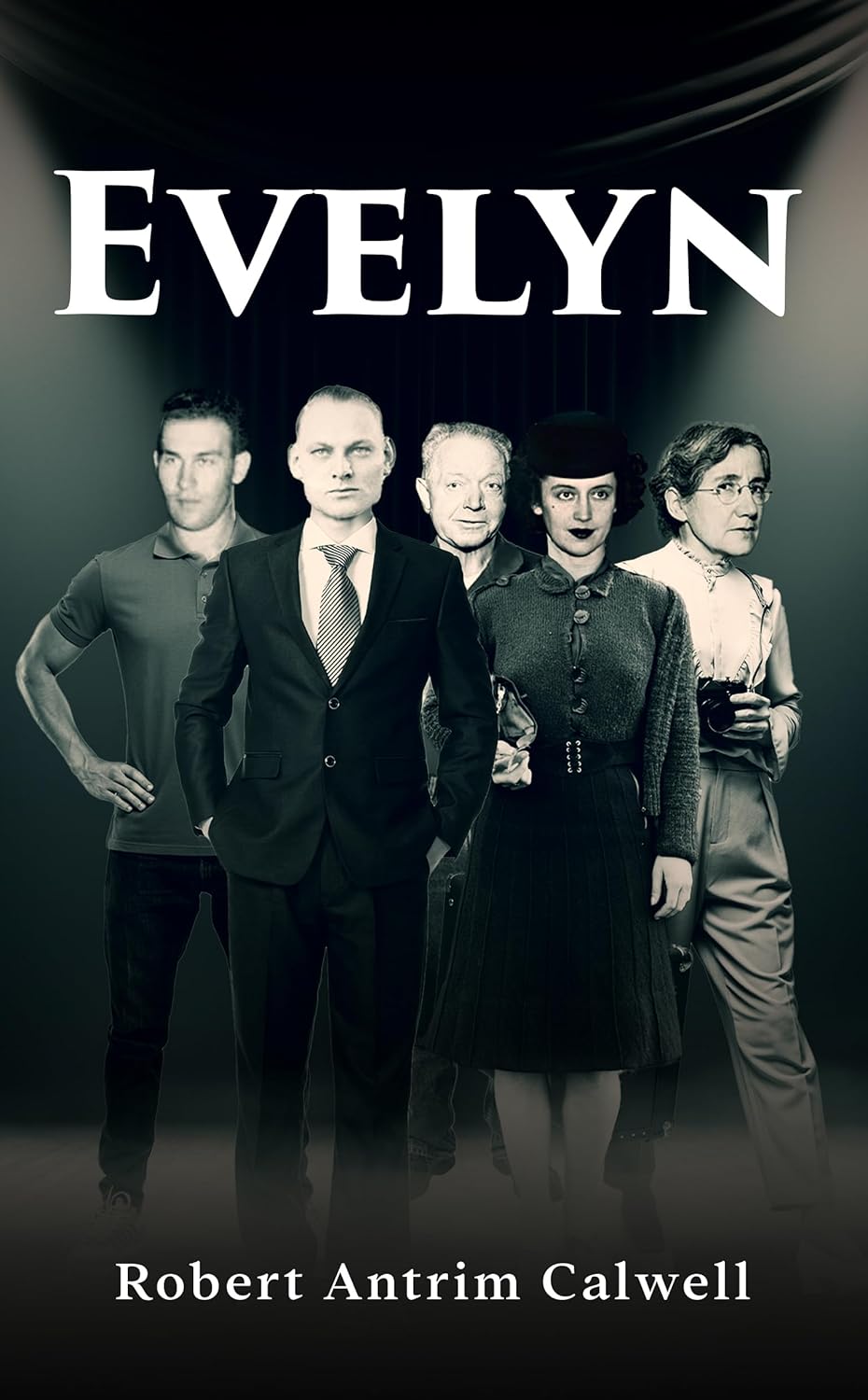
What makes this book uniquely Canadian is its blending of regional realism with lyrical introspection. Calwell doesn’t just retell events—he reconstructs voices. Each chapter is told through the first-person perspective of a key figure: Evelyn, John, Bill, Donald, Alexandra. Their tones are confessional, almost biblical, like modern psalms written in blood and ash. This spiritual layer elevates Evelyn beyond the courtroom and into the realm of psychological allegory.
The inclusion of the Children’s Chorus, who frame the story with innocence and hindsight, deepens its noir credentials. They walk the brow, find the torso, and carry on eating hot dogs. Their casual horror mirrors the public’s paradoxical relationship with true crime—shocked, but somehow normalized. Their reflections, decades later, recall how evil can live next door, yet remain part of the scenery. This lens of detached empathy is a hallmark of noir, and Calwell sharpens it with poetic precision.
Unlike pulp narratives that seek resolution, Evelyn embraces ambiguity. Was Evelyn a sociopath, a product of manipulation, or simply someone who broke? Was justice truly served, or did the legal system merely tidy up what society couldn’t confront? Calwell does not give easy answers. Instead, he gives Evelyn—and everyone around her—a voice, however fractured.
What cements Evelyn in the Canadian noir canon is how it uses place as an emotional landscape. Hamilton is not just a city—it’s a presence. From Mountain Brow to the Royal Connaught, from Becker’s Variety to the dark, cold furnace of Evelyn’s basement, the story unfolds in spaces that feel lived in, scarred, and sacred. These are Canadian streets, with Canadian shadows.
In reclaiming a historical crime with literary depth and cultural specificity, Calwell does something few true crime writers attempt: he brings poetry to pathology, and reflection to revenge. Evelyn is not merely a murder mystery. It is a meditation on memory, guilt, and the strange ways a country holds its secrets.
It belongs on shelves beside Canadian noir staples—from Margaret Atwood’s Alias Grace to Andrew Pyper’s The Killing Circle. And like those works, Evelyn challenges us not only to examine the facts of a crime, but to reckon with what they say about the world that allowed it to happen.