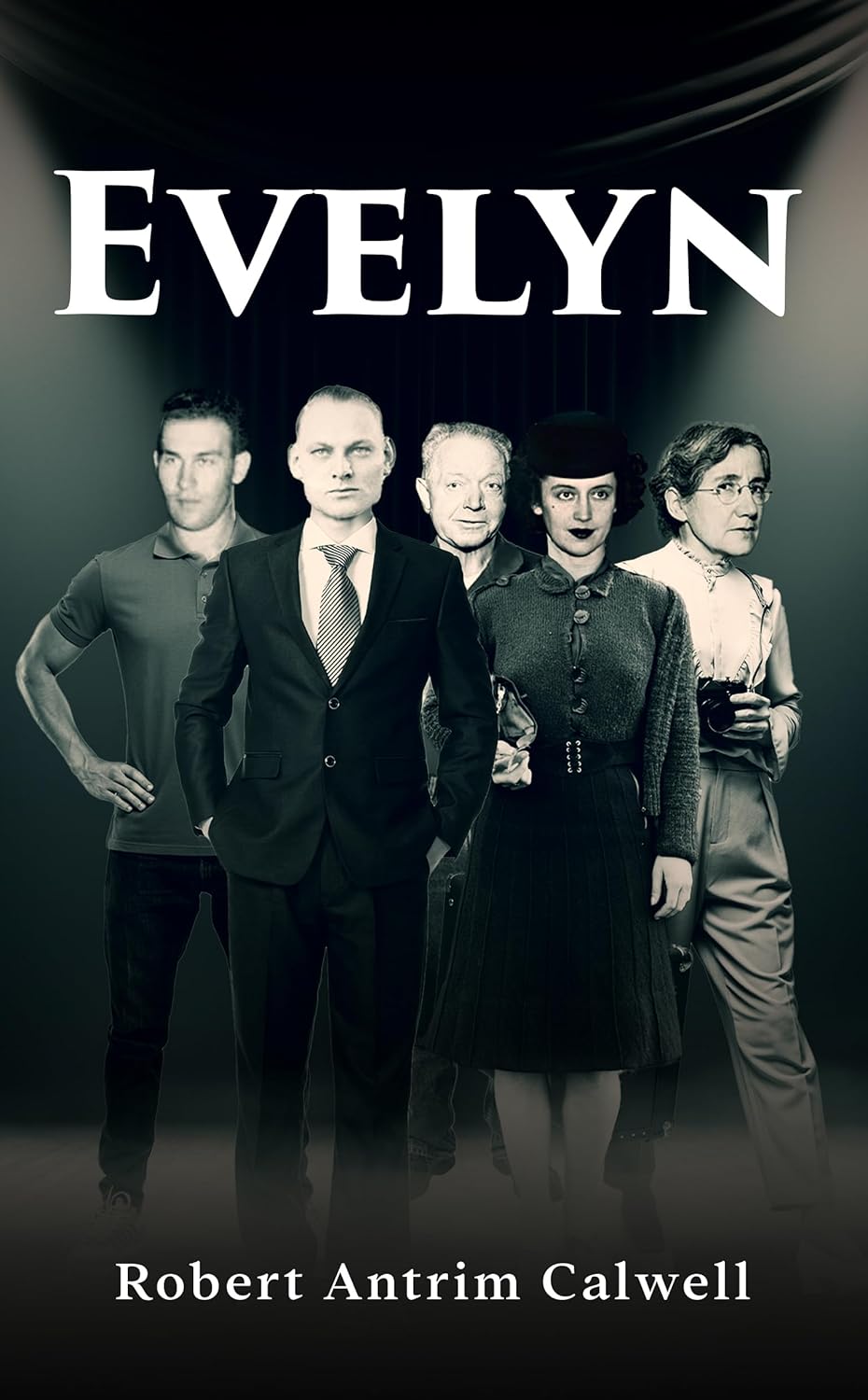
Family is often seen as a source of comfort, support, and unconditional love. But in Evelyn by Robert Antrim Calwell, family is a battleground where power dynamics, manipulation, and betrayal are constantly at play. The relationships between Evelyn and her family members, especially her parents, are fraught with tension and betrayal, showing how the deepest wounds can be inflicted by those closest to us. In this blog, we explore how Calwell uses the theme of family and betrayal to highlight the destructive power of fractured relationships.
The Dysfunctional Family
Evelyn’s relationship with her family is anything but conventional. Rather than a source of love and stability, her family serves as a backdrop for her manipulative tendencies and deep-seated need for control. Her interactions with her mother and father are laced with power struggles, as she continuously undermines and betrays them to further her own agenda.
Her relationship with her father is particularly telling. Evelyn seeks his approval but also resents him for his own failures, both as a father and as a man. This resentment fuels a desire for revenge, which manifests in her attempts to undermine him at every turn. Similarly, her relationship with her mother is one of covert manipulation, with Evelyn leveraging her mother’s affections to further her own goals. These relationships are characterized by a lack of trust and understanding, and the constant undercurrent of betrayal defines their interactions.
The Power of Betrayal
Betrayal is perhaps the most destructive force in the novel, particularly when it comes to family. Evelyn’s ability to manipulate and deceive the people closest to her demonstrates just how far she is willing to go to assert control. Her actions are not limited to external relationships but also extend to those who should, by all accounts, be her allies. The betrayal of her family members is not just emotional but also strategic, as she carefully orchestrates their downfall for her own gain.
In the case of her father, Evelyn betrays him not only emotionally but also financially, exploiting his weaknesses to secure her own position. She exploits his trust, and in doing so, she condemns herself to a life of moral corruption. The novel makes it clear that family bonds, when strained by betrayal, can lead to irrevocable consequences, tearing apart any semblance of love or loyalty.
The Cycle of Betrayal
One of the most tragic aspects of Evelyn is the cyclical nature of betrayal. The novel suggests that betrayal begets more betrayal, and this cycle is difficult to break. Evelyn’s betrayal of her family is mirrored by their own actions towards her, creating a vicious loop of distrust and emotional damage. In the end, no one in Evelyn’s life emerges unscathed. The destructive nature of betrayal within the family highlights the theme of power dynamics — how control, manipulation, and deceit can spiral out of control and destroy relationships that should be built on trust.
In Evelyn, Robert Antrim Calwell uses the theme of family and betrayal to create a dark and poignant portrait of a woman who is both a product and a perpetrator of familial dysfunction. Through Evelyn’s relationships with her parents, the novel explores how power dynamics, manipulation, and betrayal can destroy the very foundation of family. In a world where trust is continually shattered, the consequences of betrayal are not just emotional but far-reaching, impacting every aspect of a person’s life. Evelyn serves as a chilling reminder of how family ties, when corrupted by betrayal, can lead to a devastating unraveling of lives.