Suicide is a topic that carries immense weight, wrapped in layers of pain, stigma, and unanswered questions. For those who struggle with deep despair, the battle between life and death is often silent and unseen. In Robot Head by Robert Antrim Calwell, this internal struggle takes a unique turn when a young girl’s life is saved after a suicide attempt—only to face an extraordinary fate. She is given a second chance, not just through medical intervention but through the integration of artificial intelligence, as her consciousness is partially transferred into a robotic head.
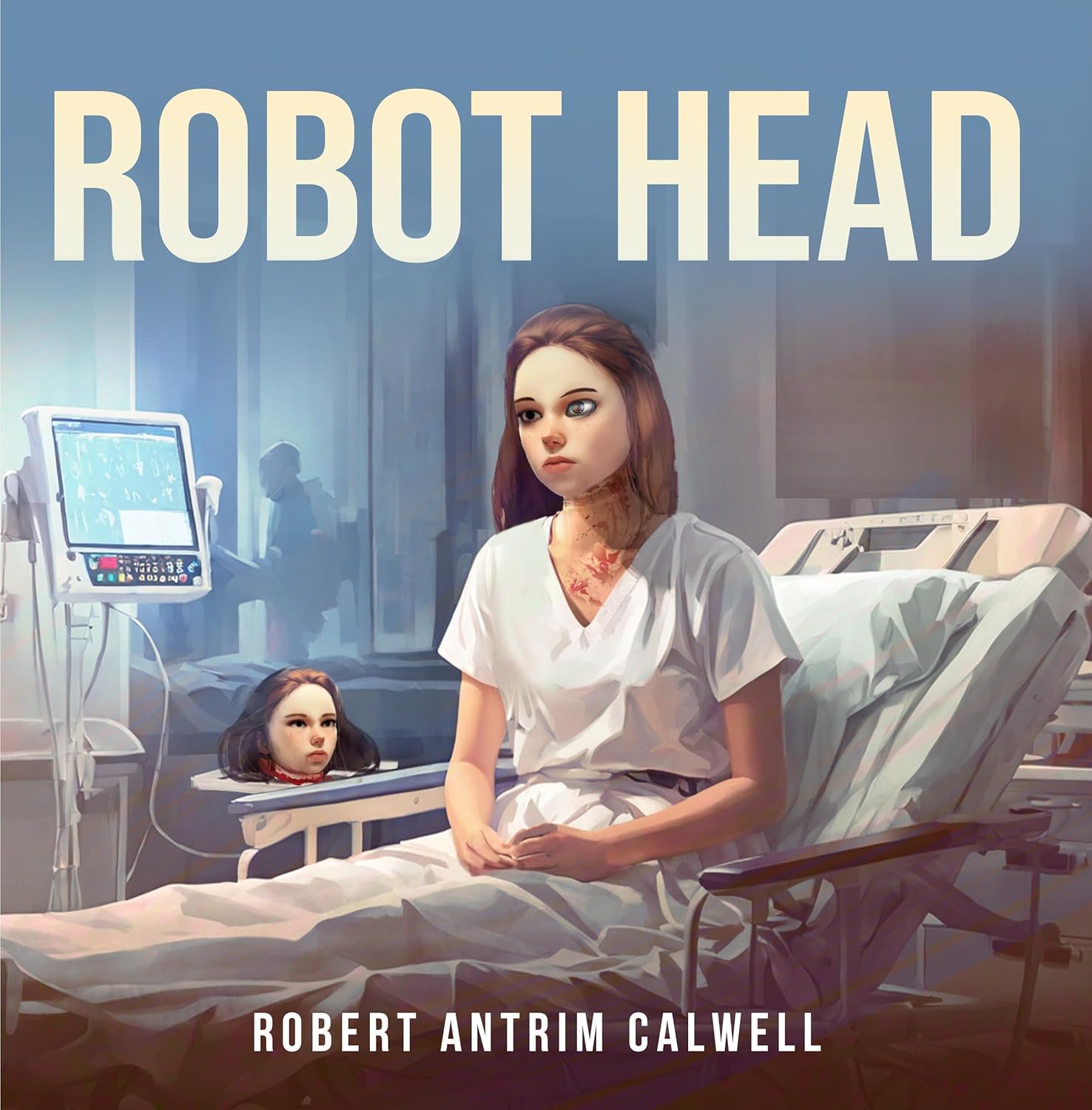
This haunting yet thought-provoking premise raises an important question: Can AI play a role in healing the human mind? And if so, what are the ethical and emotional costs?
The Search for Redemption Through AI
Mental health treatment has evolved significantly, but one fundamental challenge remains—understanding the depth of human suffering. Depression and suicidal thoughts are deeply personal experiences, often resistant to conventional therapies. The idea presented in Robot Head—of merging human consciousness with AI—suggests a world where memory can be preserved, reshaped, or even filtered to remove pain.
At first glance, this sounds like a breakthrough, a scientific miracle that could save countless lives. But would it be a true redemption, or simply a manufactured existence? If we erase or alter the painful memories that contribute to suicidal thoughts, do we also risk erasing the essence of what makes someone who they are?
AI as a Therapist, Not a Replacement
In recent years, AI has been increasingly integrated into mental health care. Chatbots and virtual therapists now provide 24/7 support for individuals struggling with anxiety, depression, and suicidal thoughts. Tools like Woebot and Wysa offer cognitive behavioral therapy techniques, helping users reframe negative thoughts in real time. While these advancements are promising, they serve as a complement to human care, not a replacement.
The case presented in Robot Head—where a human mind is intertwined with AI—crosses into uncharted territory. Could technology truly understand human emotions beyond data and algorithms? And even if AI could mimic empathy, would it ever replace the need for genuine human connection?
The Emotional Cost of Technological Intervention
Redemption often comes through struggle. Many individuals who have survived suicide attempts report a renewed sense of purpose, often derived from working through their pain rather than erasing it. If AI could selectively filter out traumatic memories, would that person still be the same? Would they still have the ability to grow, reflect, and connect with others who have experienced similar struggles?
While the integration of AI in mental health has the potential to revolutionize care, Robot Head serves as a reminder that technology must not strip away what makes us human. Pain, while deeply challenging, often leads to growth, resilience, and a more profound understanding of oneself. True healing does not come from deletion but from transformation.
As AI continues to advance, the ethical responsibility lies with us—to ensure that technology supports humanity without replacing the essence of what it means to feel, suffer, and ultimately, heal.